
Acute, Obtuse, or Reflex Angles
Loading the math board and drawing, please wait…
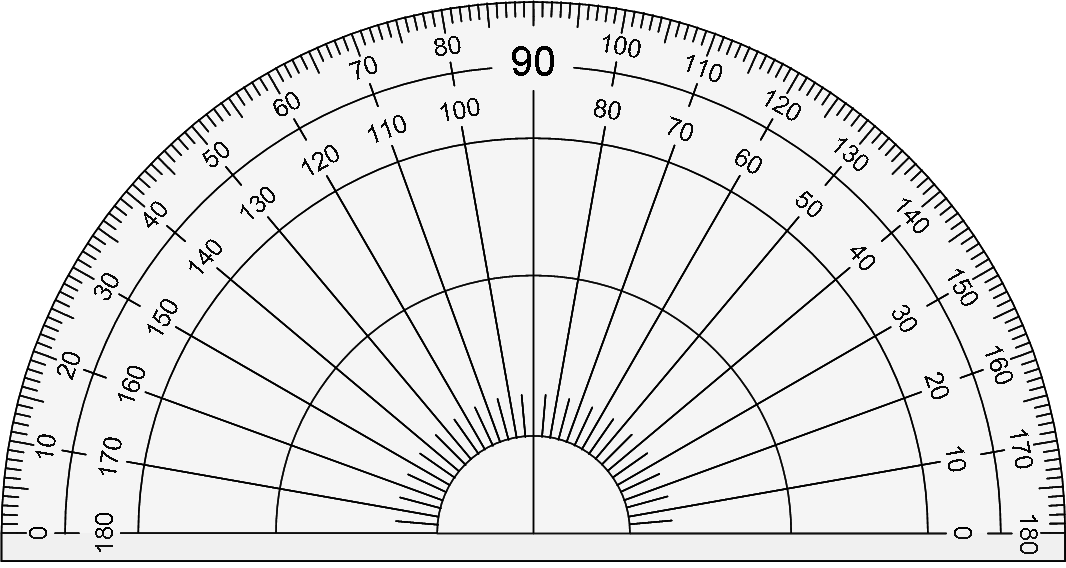
This example demonstrates interactive classification of acute, obtuse, and reflex angles. It involves core math concepts like angle classification, geometric construction, and transformation. Key GeoGebra commands and objects used include Point, Polygon, Sequence, Angle, Segment, Intersect, Circle, Vector, Translate, If. Suitable for middle school mathematics teaching or student self-exploration of geometric properties.
GeoGebra Commands & Parameters
Point(Circle[I, 5]) → JPolygon(I, J, C, D, E, F, J, I) → poly1, a, b, c, d, e, f, b_1, a_1Sequence(((6 * cos(θ°)), (6 * sin(θ°))), θ, 0, 359) → list1Point(list1) → P_oPoint(list1) → Q_oAngle(P_o, (0, 0), Q_o) → αSegment((0, 0), P_o) → gSegment((0, 0), Q_o) → hIntersect(g, h) → OCircle(O, (6, 0)) → c1Point(c1, Mod[pathparamPonc1 + 0.5, 1]) → PAngle(P_o, (0, 0), P) → α_1Segment((0, 0), P) → iVector((0, 0), P) → uTranslate(P, Vector[(0.1 * u)]) → P'If((α_1 > 0°) ∧ (α_1 ≤ 90°), 2, If[(α_1 ≥ 90°) ∧ (α_1 ≤ 180°), 3, If[(α_1 ≥ 90°) ∧ (α_1 < 360), 4, 1]]) → angletypeIf(SelectedIndex[listangletype] ≟ angletype, true, false) → choicecorrect