
Night Market Mahjong Probability & Geometry Simulation
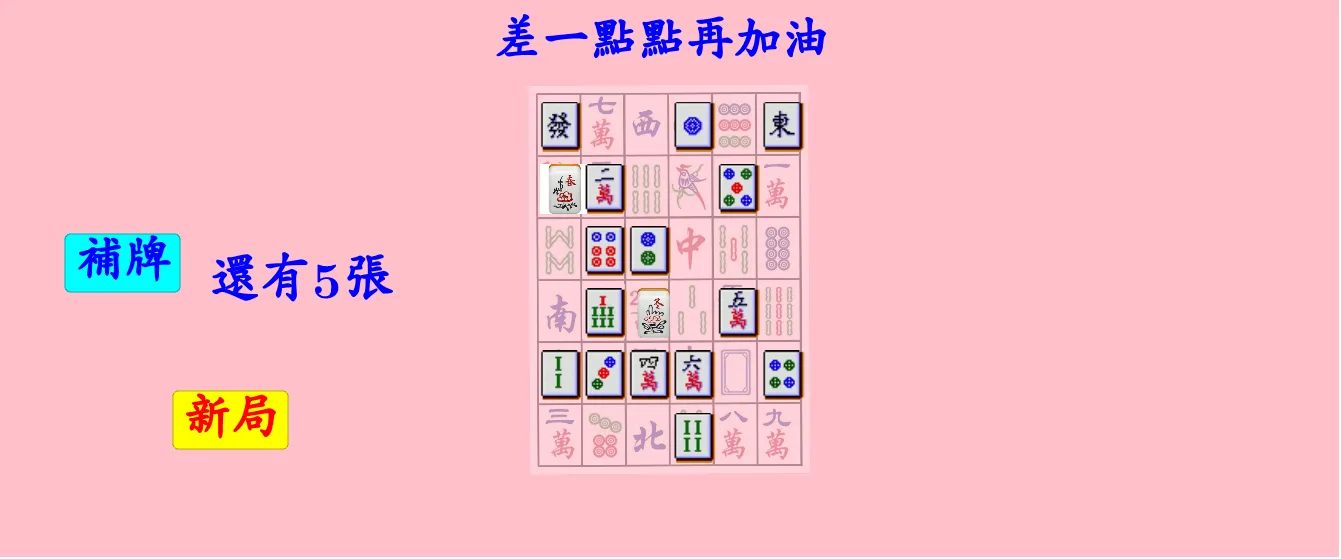
This GeoGebra example uses a night market mahjong game model to demonstrate probability distribution and spatial geometric relationships in random card drawing. Core mathematical concepts include random sampling in probability theory, 2D vectors for card positions, and spatial structures of cones and rectangular prisms. Construction highlights: Sequence generates card deck, KeepIf filters cards by conditions, Union and Intersection perform set operations, Translate creates card movement animations, and Div calculates probability ratios. The numerous list objects store card data while carte series objects represent specific mahjong tiles, making this suitable for high school probability statistics teaching or as an engaging case study for geometric probability models.
Loading the math board and drawing, please wait…