
Integer Addition Geometric Demonstration
Loading the math board and drawing, please wait…
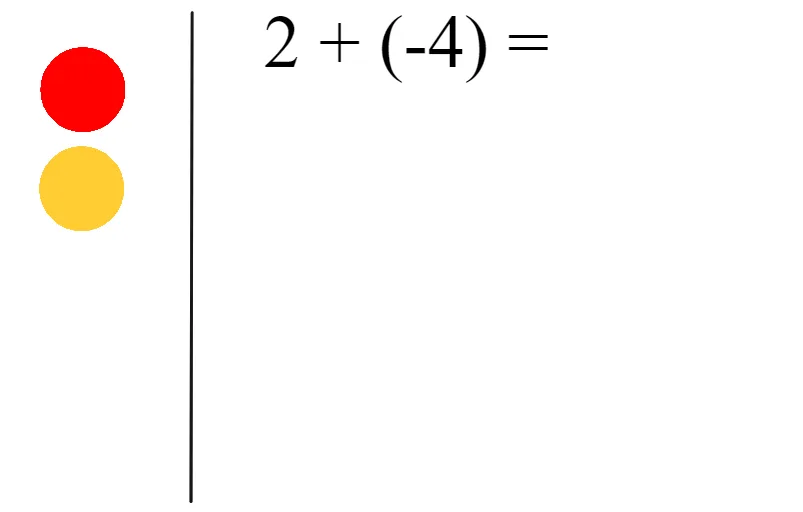
This example demonstrates how to visually represent integer addition using geometric figures such as circles and segments. It covers core math concepts including the meaning of integer addition, geometric construction methods, and the application of circles and segments in mathematical representation. Construction points: Use the Circle command to draw circles, the Segment command to draw line segments, and construct multiple geometric objects through points A, B, etc., such as circle c and segment A1B1, forming geometric patterns to assist understanding the composition and decomposition of integer addition. Suitable for upper elementary and lower middle school students to build intuitive understanding of integer addition or as an introduction to geometric construction.
GeoGebra Commands & Parameters
Circle(A, B) → cCircle(A_{1}, B_{1}) → c_{1}Circle(A_{2}, B_{2}) → c_{2}Circle(A_{3}, B_{3}) → c_{3}Circle(A_{4}, B_{4}) → c_{4}Circle(A_{5}, B_{5}) → c_{5}Circle(A_{6}, B_{6}) → c_{6}Circle(A_{7}, B_{7}) → c_{7}Circle(A_{8}, B_{8}) → c_{8}Circle(A_{9}, B_{9}) → c_{9}Circle(A_{10}, B_{10}) → c_{10}Circle(A_{11}, B_{11}) → c_{11}Circle(A_{12}, B_{12}) → c_{12}Circle(A_{13}, B_{13}) → c_{13}Circle(A_{14}, B_{14}) → c_{14}Circle(A_{15}, B_{15}) → c_{15}Circle(A_{16}, B_{16}) → c_{16}Circle(A_{17}, B_{17}) → c_{17}Circle(A_{18}, B_{18}) → c_{18}Circle(A_{19}, B_{19}) → c_{19}Circle(A_{20}, B_{20}) → c_{20}Circle(A_{21}, B_{21}) → c_{21}Segment(C, D) → fCircle(A_{22}, B_{22}) → c_{22}Circle(A_{33}, B_{33}) → c_{33}Circle(A_{36}, B_{36}) → c_{36}Circle(A_{37}, B_{37}) → c_{37}Circle(A_{38}, B_{38}) → c_{38}Circle(A_{39}, B_{39}) → c_{39}Circle(A_{40}, B_{40}) → c_{40}Circle(A_{41}, B_{41}) → c_{41}Circle(A_{42}, B_{42}) → c_{42}Circle(A_{43}, B_{43}) → c_{43}Circle(A_{23}, B_{23}) → c_{23}Circle(A_{24}, B_{24}) → c_{24}Circle(A_{25}, B_{25}) → c_{25}Circle(A_{26}, B_{26}) → c_{26}Circle(A_{27}, B_{27}) → c_{27}Circle(A_{28}, B_{28}) → c_{28}Circle(A_{29}, B_{29}) → c_{29}Circle(A_{30}, B_{30}) → c_{30}Circle(A_{31}, B_{31}) → c_{31}Circle(A_{32}, B_{32}) → c_{32}Circle(A_{34}, B_{34}) → c_{34}Circle(A_{35}, B_{35}) → c_{35}Segment(C_{1}, D_{1}) → f_{1}Circle(A_{44}, B_{44}) → c_{44}Circle(A_{45}, B_{45}) → c_{45}Circle(A_{46}, B_{46}) → c_{46}Circle(A_{47}, B_{47}) → c_{47}Circle(A_{48}, B_{48}) → c_{48}Circle(A_{49}, B_{49}) → c_{49}Circle(A_{50}, B_{50}) → c_{50}Circle(A_{51}, B_{51}) → c_{51}
AI Drawing Prompt Reference
This prompt describes a geometric pattern composed of multiple circles and line segments, intended to visually represent the concept of integer addition. The pattern includes a main circle c, along with a series of circles c1 to c21 connected by points A, B, etc. Additionally, there are line segments f and f1 that intersect or connect with the circles, forming a complex geometric structure. By combining these circles and line segments, one can understand the composition and decomposition of integer addition. The construction order starts with the main circle, then adds circles and line segments, ultimately forming a complete geometric pattern suitable for teaching demonstrations.
The prompt above was compiled from the original drawing commands and is for reference only.