
Geometric Construction Proof of the Pythagorean Theorem
Loading the math board and drawing, please wait…
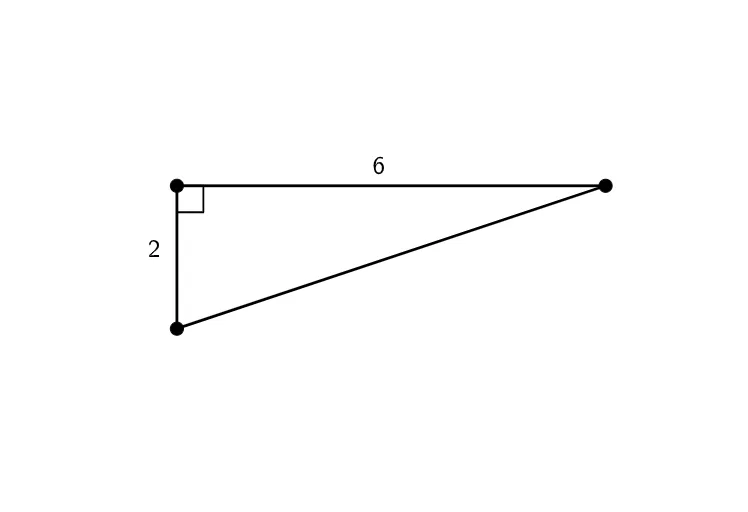
This example demonstrates a geometric proof idea of the Pythagorean Theorem by constructing and relating regions built from polygons and angles. It visualizes how the “sum of squares of the legs equals the square of the hypotenuse” arises from a controlled angle α and the way triangles and polygons are assembled so that their areas/length relations match. The core concepts include right triangles, the Pythagorean Theorem, angle-based geometric correspondence, and converting geometric configurations into square/area equalities. Construction follows the GeoGebra command structure: Intersect and Point generate and place key intersection points (A, B, C, and a parameter-driven point t1); Polygon builds the composite regions used for the area/relationship comparison; Angle defines/measures the decisive angle α. Additional objects (f, g, h) support the representation of the constructed quantities as functions of the parameter. Suitable for middle and early high school learners as a proof practice and geometry-construction lesson, as well as for interactive classroom demonstrations.
GeoGebra Commands & Parameters
Intersect(xAxis, yAxis) → APoint(yAxis) → BPolygon(A, B, C) → t1, f, g, hAngle(A, B, C) → α
AI Drawing Prompt Reference
Draw a geometric construction proof of the Pythagorean Theorem. Include a right triangle, angle α, composite regions made from triangles and polygons, and a parameter-driven point. The construction order is: first generate key points, then define the angle, then build the composite regions, and finally show how these regions relate through area and length to prove the theorem.
The prompt above was compiled from the original drawing commands and is for reference only.