
Cross Sections and Volume Practice: Build a 3D Idea from 2D Slices
Loading the math board and drawing, please wait…
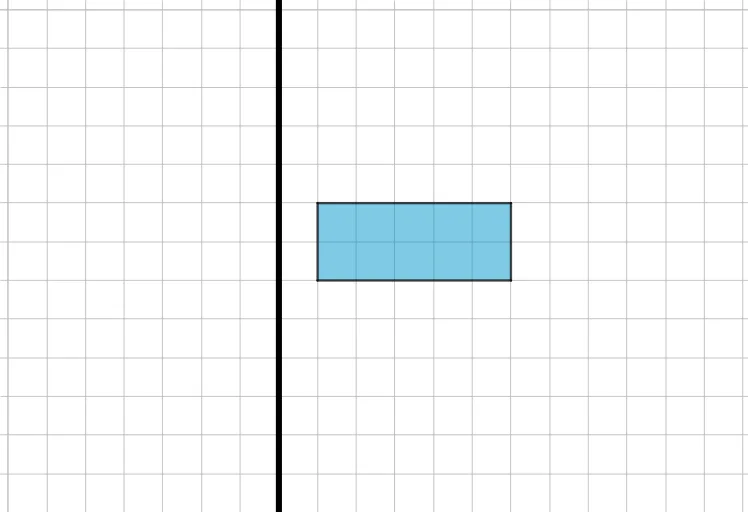
This GeoGebra example demonstrates how cross-sections can be used to reason about the volume and shape changes of a 3D solid. The key mathematical concepts are cross-sections, geometric decomposition, and how constructing 2D polygonal outlines helps represent slice boundaries that correspond to the solid’s volume behavior. Construction focuses on the GeoGebra commands Line and Polygon to create essential edges and polygonal regions using objects such as A, B, C, D, E, F along with q1, c, d, e, and f_1 to define the slice-defining points, segments, and face outlines. It is suitable for middle to high school students learning solid geometry and volume, as well as for enrichment activities that emphasize geometric construction and visual reasoning.
GeoGebra Commands & Parameters
Line(A, B) → fPolygon(C, D, E, F) → q1, c, d, e, f_1
AI Drawing Prompt Reference
Describe a 3D solid represented by 2D cross-sections. Key objects include points A, B, C, D, E, F, and the points q1, c, d, e, f_1. The construction order is to draw line segment AB first, then draw polygon CDEF to define the slice boundaries. These 2D outlines help represent the volume behavior of the solid.
The prompt above was compiled from the original drawing commands and is for reference only.