
PIN Number Generator 2.0: Visualizing Random Integers and Modular Arithmetic
Loading the math board and drawing, please wait…
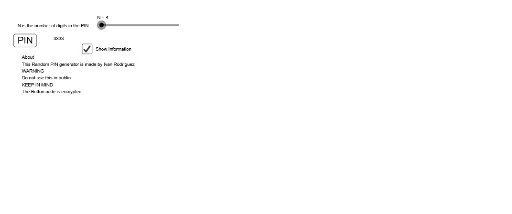
① This GeoGebra example demonstrates an interactive PIN (Personal Identification Number) generator, showing how random numbers are produced and displayed in real time. ② Core mathematical concepts include random variables, integer generation, congruence (modular arithmetic), and probability, along with text conversion and user interaction via buttons. ③ Construction highlights: the UnicodeToText command converts random numeric sequences into readable text; key objects include N (random number), text1 (display), PIN (final code), Pgrm (program control), button1 (trigger), text2/text3 (labels), and a (parameter/variable). Clicking the button regenerates the random PIN, illustrating dynamic stochastic processes. ④ Suitable for middle school and above, this example serves as an engaging tool for teaching probability, random numbers, and integer operations, bridging mathematics with practical applications in security and programming logic.
GeoGebra Commands & Parameters
UnicodeToText(PIN) → text2
AI Drawing Prompt Reference
Create an interactive PIN generator interface showing a four-digit random code in the center, with a button beside it to regenerate. Below the code, include a caption explaining that digits are derived via modular arithmetic. Keep the background clean, emphasize randomness and dynamic change, optionally add a small probability distribution chart or rolling number effect. The overall style should be clear, educational, and suitable for middle school classroom display.
The prompt above was compiled from the original drawing commands and is for reference only.