
Introduction to Cosine & Tangent
Loading the math board and drawing, please wait…
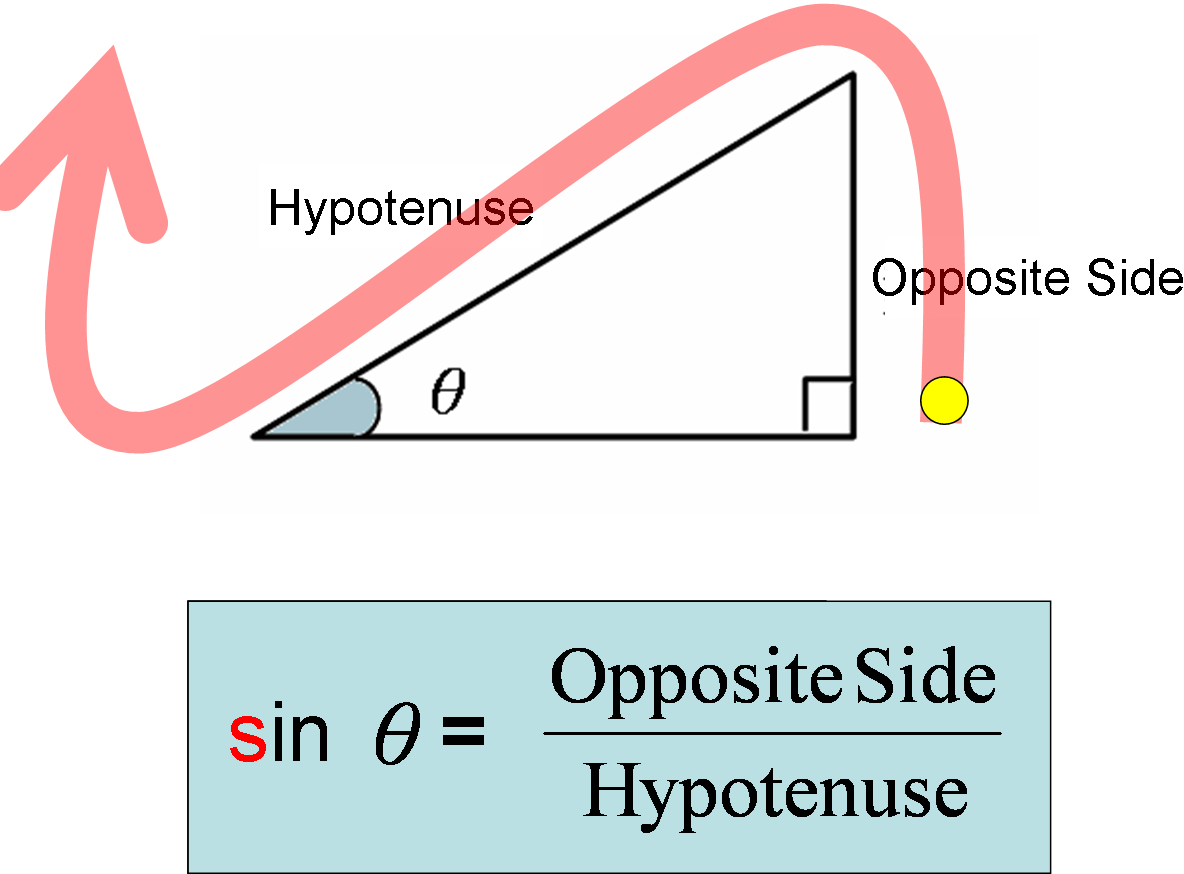
This example demonstrates the geometric meaning of cosine and tangent functions in right triangles. Core math concepts include the definition of trigonometric functions, side relationships in right triangles, and angle measurement. GeoGebra commands like Point, Ray, Segment, Angle, Polygon are used to construct objects including points, segments, angles, and shapes. Suitable for middle school students and above to learn basic trigonometric concepts or to assist in understanding the connection between trigonometric graphs and actual geometric figures.
GeoGebra Commands & Parameters
Point(Sequence[(0.5 * cos(i°), 0.5 * sin(i°)), i, 0, 90]) → RRay(2 * R, 3 * R) → rayPoint(ray) → PSegment(O, P) → rodSegment(P, Q) → stringAngle(Q, O, P) → αAngle(P, Q, O) → βSegment(O, Q) → distancePolygon(Corner[pic3, 1], Corner[pic3, 2], Corner[pic3, 3], Corner[pic3, 4]) → poly3, b, c, d, ePolygon(Corner[pic2, 1], Corner[pic2, 2], Corner[pic2, 3], Corner[pic2, 4]) → poly2, f, g, h, iPolygon(Corner[pic1, 1], Corner[pic1, 2], Corner[pic1, 3], Corner[pic1, 4]) → poly1, j, k, l, m
AI Drawing Prompt Reference
Draw a right triangle to demonstrate the geometric meaning of cosine and sine functions. Starting from the origin, determine a series of points in the first quadrant using cosine and sine values, and connect these points to form a ray. Locate a point on the ray and connect it to the origin to form a right triangle. Label the two legs and the hypotenuse of the triangle, and measure and label the size of one acute angle. Finally, differentiate the three sides and two acute angles of the triangle with different colors or styles to observe the relationship between cosine and sine values and the lengths of the sides of the triangle.
The prompt above was compiled from the original drawing commands and is for reference only.